
Home | Job Postings | Volunteer
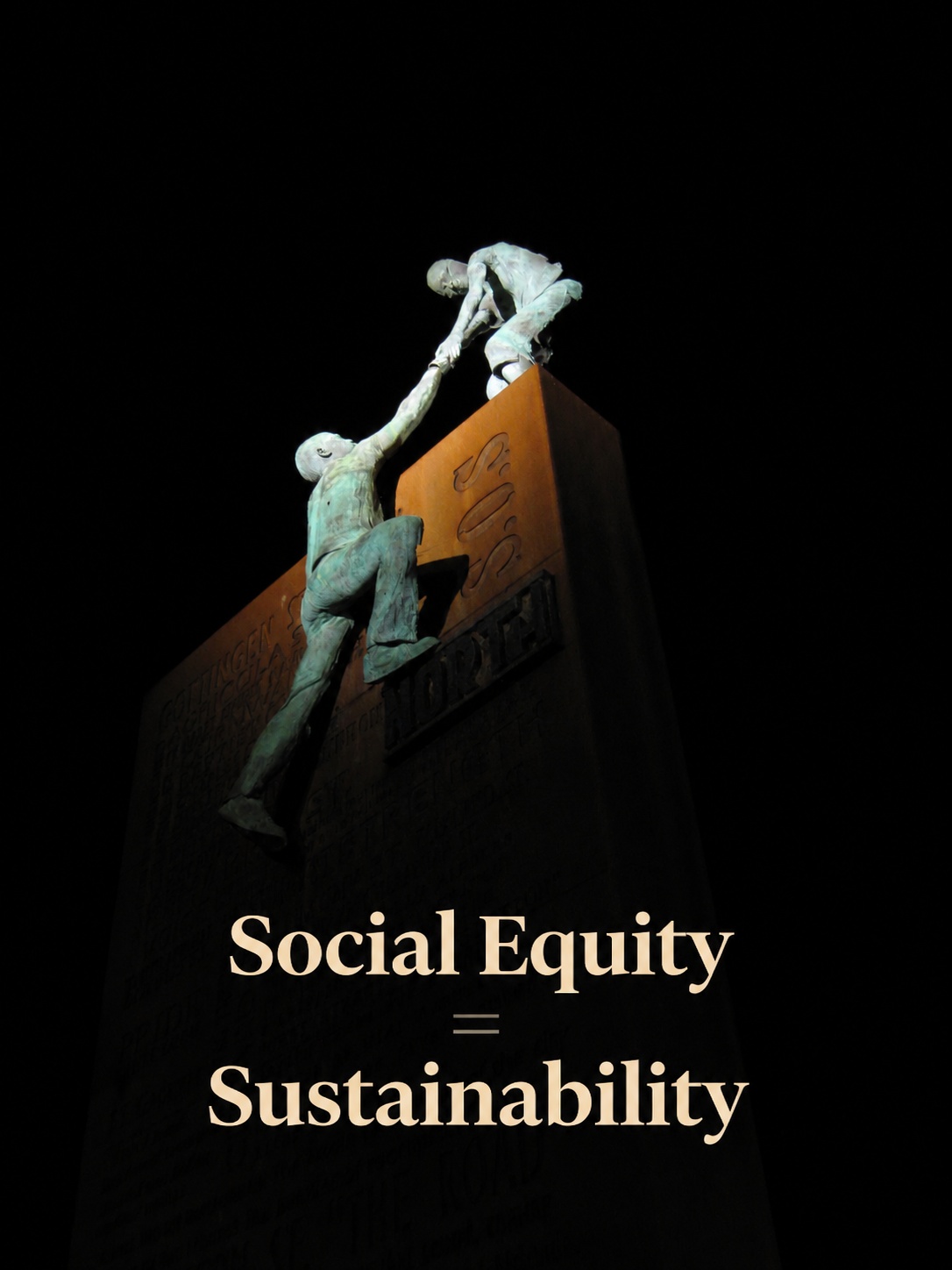
On a warming, crowded planet, there is no lifeboat big enough even for the privileged few.
We often treat social equity and sustainability as two separate causes.
One is about poverty, housing and rights. The other is about nature, resources and carbon.
When the two do meet, the argument usually runs one way: the poor suffer most from pollution and climate change, so fairness demands we act.
Fair enough. But it achieves little! Why? It asks people with wealth and power to act mainly out of concern for others — while history suggests that most will not. Few people give up an advantage because someone else is hurting.
There's another reason we shouldn't rely on moral appeals alone. History offers little evidence that any group, once in power, is immune to its temptations. Revolutions waged in the name of the poor have often produced new elites who behaved much like the old ones.
The lesson is not that some people are better than others. Rather, we need to build systems — social, economic and technological — where everyone’s interests point the same way.
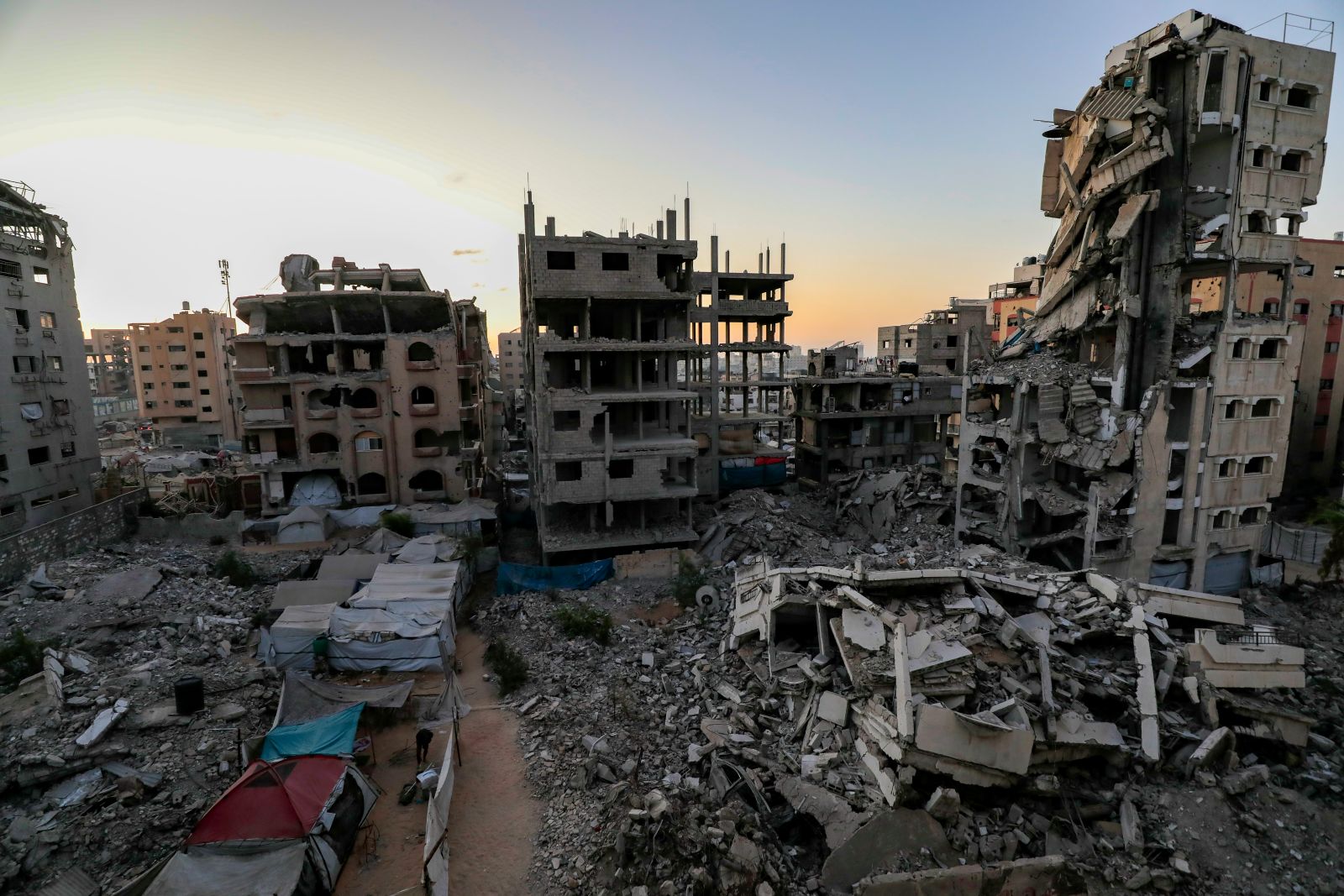
There is another point that that might speak to everyone's self-interest, including the ultra rich.
In a world of eight billion people, with the climate destabilizing, resources under strain and conflict spreading, no one is safe.
The wealthy are better insulated, for now. But the crises are escalating, increasingly threatening even the ultra-rich. If we put aside boyish dreams of flying to toxic planets — Mr. Musk, you really haven't thought this one through — even the most egotistical billionaire is entirely dependent on the ecosystems of this blue dot in space.
Building a better world will take all of us, and it will ask something of all of us.
Wealth can buy some distance from environmental harms, but not for long.
In 2023, Canada had its worst wildfire season on record. By early July, fires had already burned more than 8.8 million hectares, over ten times the ten-year average. More than 150,000 people had been forced from their homes (NBC/CP). The smoke did not check anyone's income. It filled the air over Toronto, Ottawa and New York, and drifted as far as Europe.
The following year, severe weather set a new record for insured losses in Canada: $8.5 billion. Among the costliest events were a hailstorm in Calgary, flooding in Toronto and Montreal, and the Jasper wildfire (Insurance Bureau of Canada). Those losses show up in everyone's home insurance premiums, wherever they live.
The wider economy feels it too. The Canadian Climate Institute estimated that by 2025, climate impacts would be shaving about $25 billion a year off Canada's GDP, roughly half of expected annual growth. It found that all households will lose income, with lower-income households losing the most (Canadian Climate Institute). Investors, business owners and pension holders are deeply effected too.
The poor feel the blow first and hardest. But a shrinking economy, failing infrastructure and uninsurable property hurt everyone, including the wealthy.
This is where equity comes in. It is not only about whether things are fair. Deep inequality makes environmental problems harder to solve, and that affects everyone.
It fuels instability. When droughts, floods and crop failures hit people who have no savings and no safety net, the result is often displacement, unrest and conflict. Those do not stay local. They spread across borders through migration, disrupted trade and war. War, in turn, wrecks ecosystems, releases huge amounts of carbon, and pulls money and attention away from climate action.
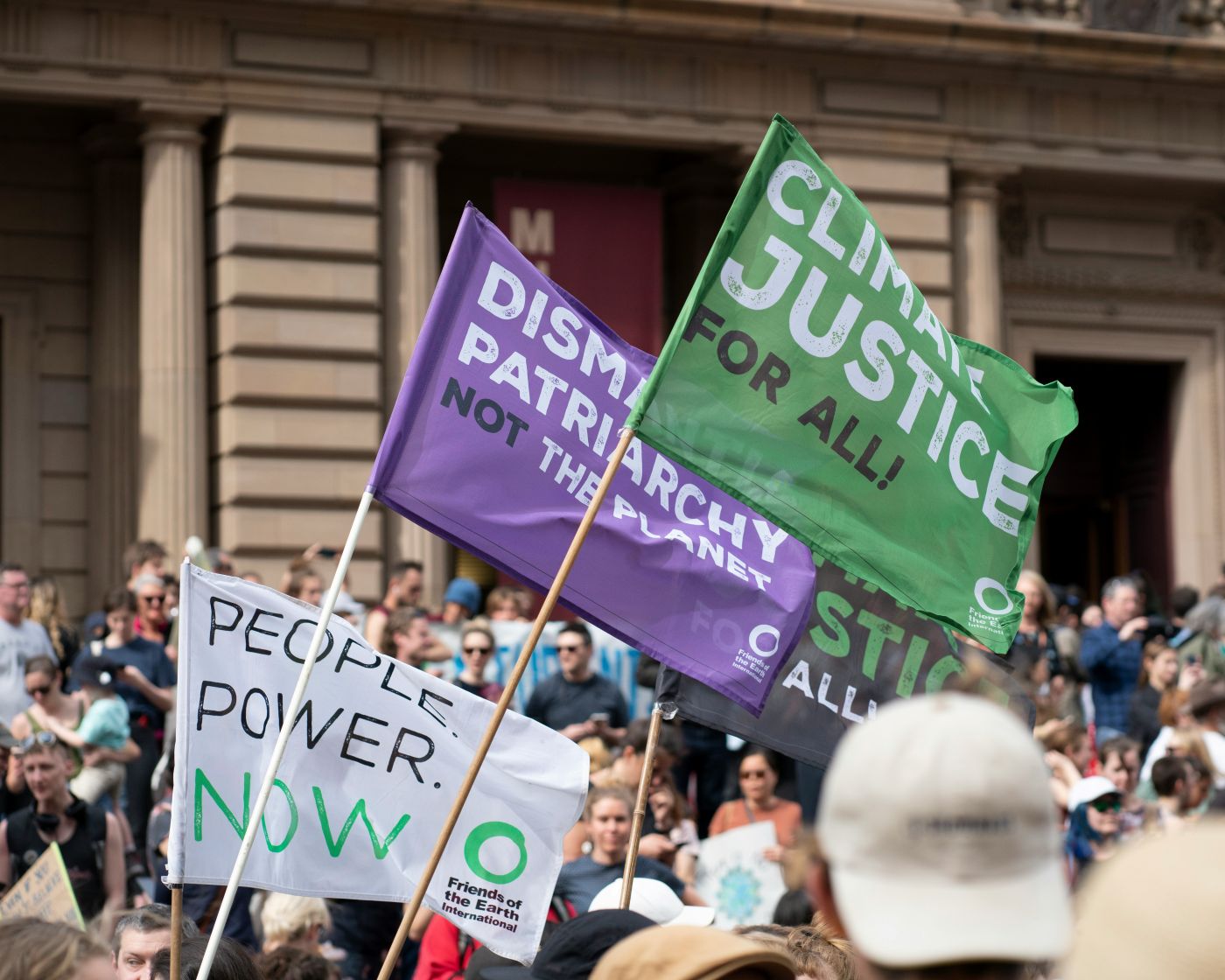
It breaks cooperation. Climate change is the ultimate collective problem. No household, company or country can solve it alone. But people will only accept shared costs when they believe the burden is shared fairly. When climate policies seem to make ordinary people pay while others carry on as usual, the backlash can stall progress for years. France learned this in 2018, when a fuel tax increase sparked the "yellow vest" protests and the government suspended it.
It wastes talent. Billions of people living in poverty are billions of potential innovators, workers and stewards of land who never get the chance to help.
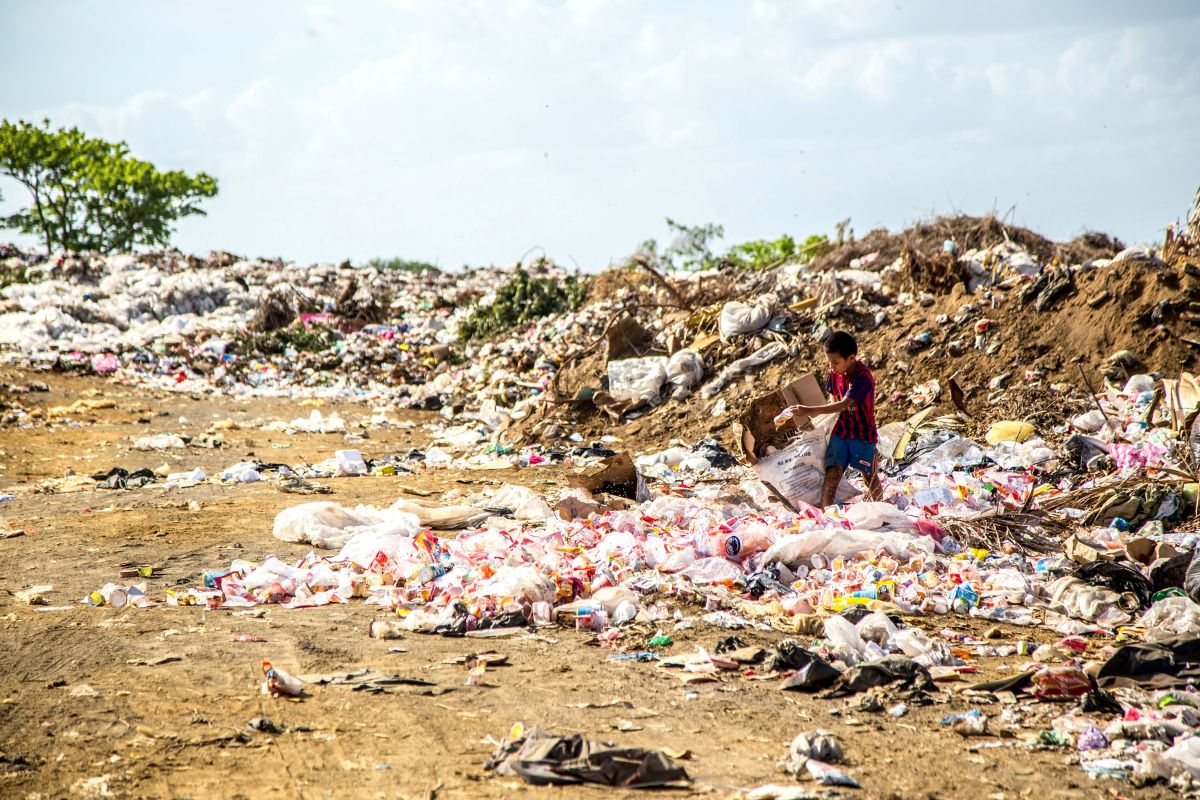
Seen this way, reducing inequality is not a favour the fortunate do for others. It is part of what makes a stable, cooperative and sustainable world possible. The fortunate need that world as much as anyone.
If we are in this together, the solution has to come from all of us. That means letting go of some comfortable assumptions.
The largest share of change falls to those with the largest footprints. Oxfam has estimated that the richest 10% of the world's people produce about half of global consumption emissions, while the poorest half produce about a tenth (Oxfam Canada). By global standards, many middle-class Canadians belong to that top tier. For most readers of this article, "the rich" includes us.
The compromises will look different for different people:
Canadians have done this before.
During the Second World War, households accepted rationing of sugar, coffee, gasoline and more. They accepted it largely because it applied to everyone and served a goal everyone shared. Shared sacrifice is possible when people trust that the sacrifice really is shared.
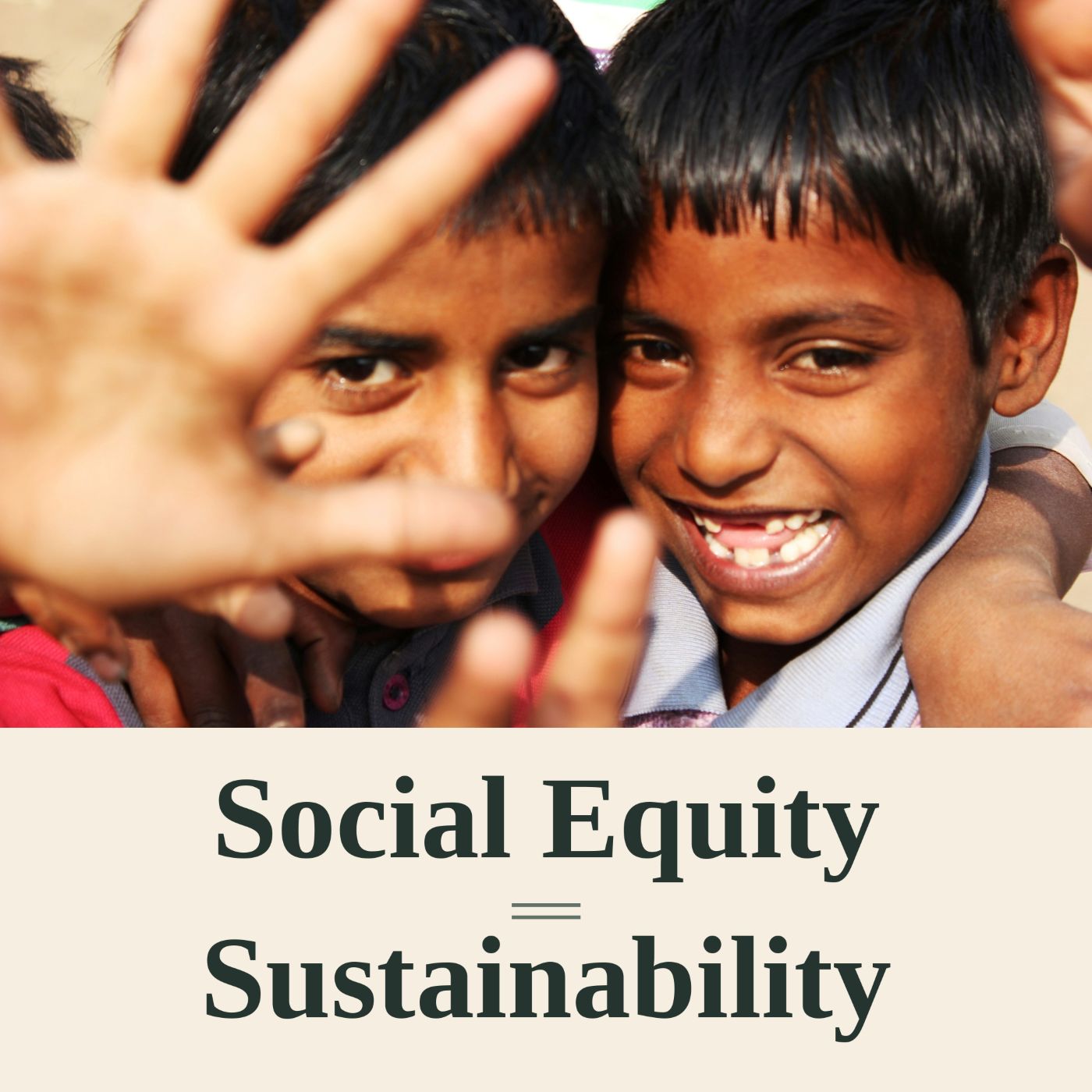
This is why social equity and sustainability cannot be pulled apart.
Sustainability is what keeps the planet liveable for everyone, rich and poor alike.
Equity is what makes the cooperation to get there possible.
Without fairness, we cannot act together.
Without a healthy planet, no amount of wealth will keep anyone safe for long.
When weighing any project, policy or personal choice, three questions can help:
We are all in this together — whether we like it or not.
Can we act like it?
Sources
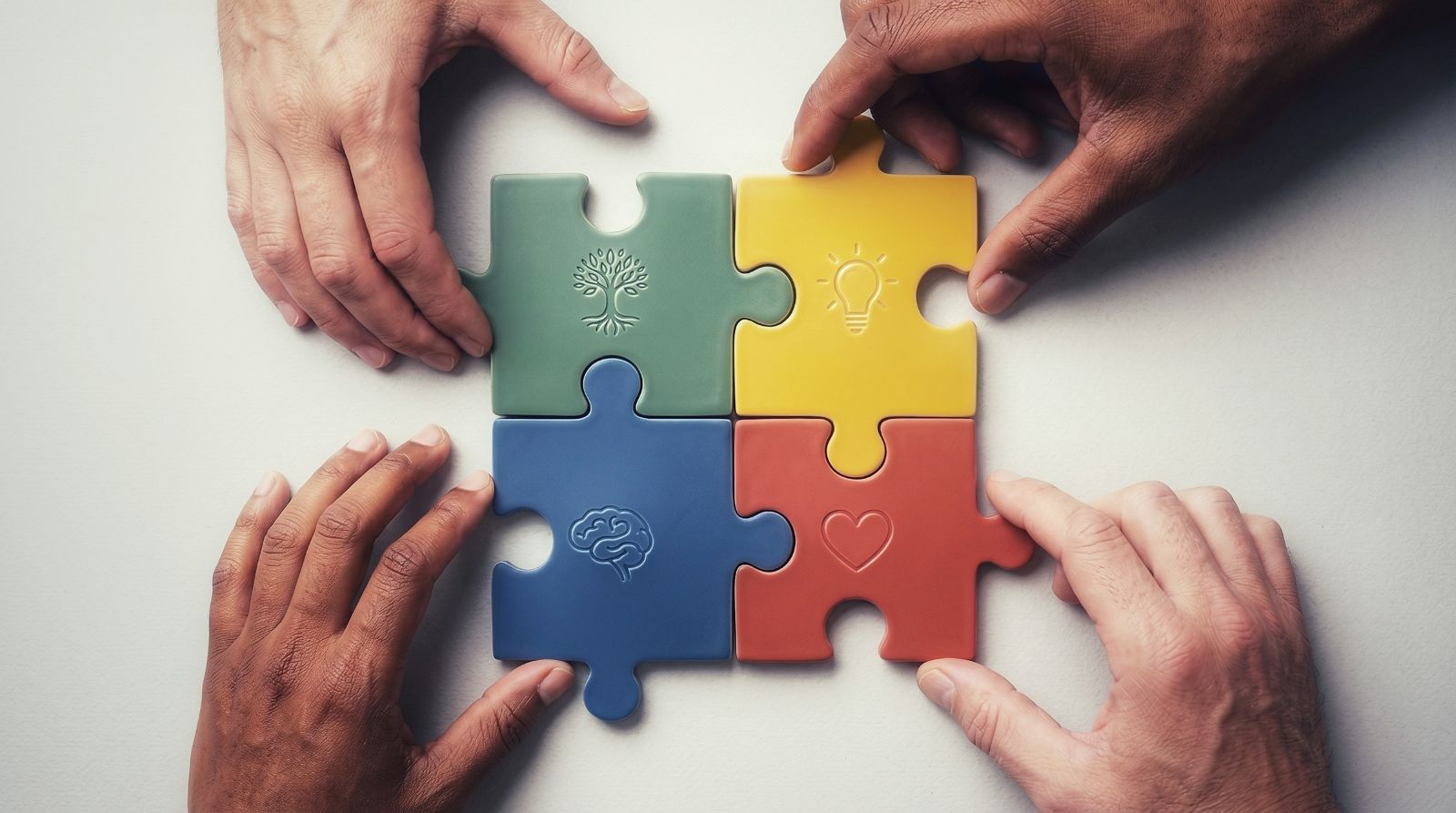
Work for a just and sustainable world
GoodWork.ca/Now
Over the last 50 years, the idea that you can’t get a sustainable society without a fair one came together from several separate traditions. They are grouped below by strand, roughly in the order they developed.
1. The founding framework: sustainable development
2. Economists and philosophers
3. The environmental justice movement (US origins)

4. Global South and “environmentalism of the poor”
5. Climate justice and carbon inequality
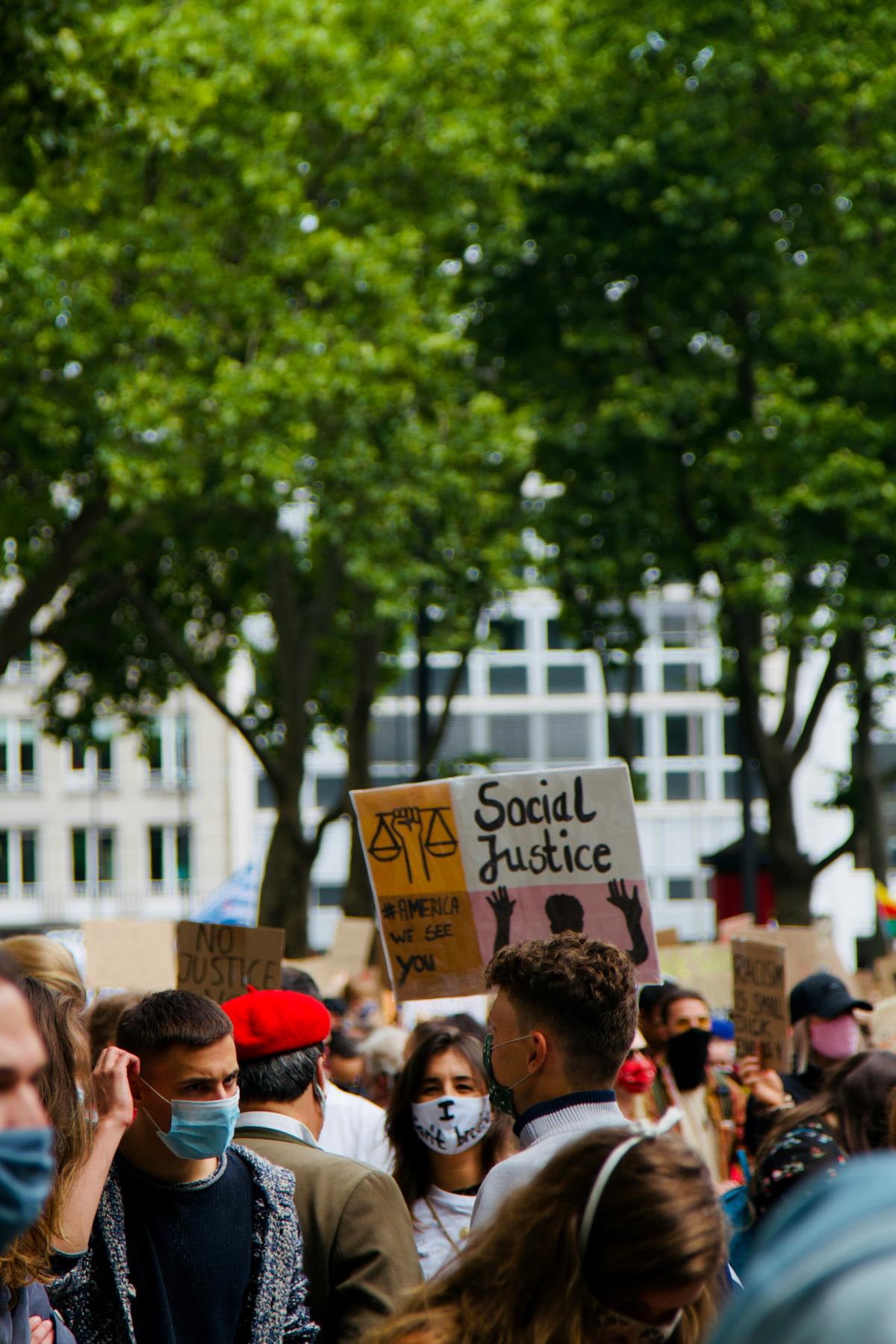
6. Just transition (labour)
7. Integrating frameworks
Indigenous perspectives (Canadian lens included)
Work for a just and sustainable world — GoodWork.ca/Now
Note: The above is provided on an "As Is" basis and for general informational purposes only. People and Planet (also known as "GoodWork") is not responsible for the content, accuracy, timeliness, completeness, legality, reliability, quality or suitability of this posting. We do not screen or endorse the organizations or individuals involved. If you decide to accept an offer of employment, volunteering or any other arrangement, you do so at your own risk and it is your responsibility to take all protective measures to guard against injury, abuse, non-payment or any other loss. Please read our full Terms & Conditions.
Current status: Open/apply now. Date posted: Nov 10 2026 ID: 76912 #LI-DNI